
A Government That Won’t Pay Its Bills Cannot Earn the Public’s Trust
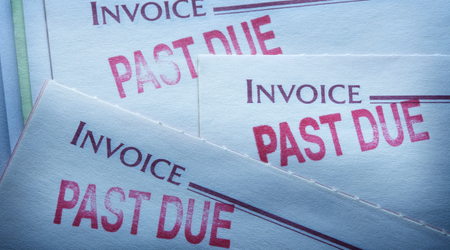
The U.S. Virgin Islands has many challenges, but one of the most persistent — and most corrosive — is the government’s chronic failure to pay its vendors on time. The evidence is recorded in legislative hearings, media reporting, and public financial disclosures.
This longstanding structural failure undermines small businesses, nonprofit organizations, and everyday residents who perform work for their own government and wait months — sometimes nearly a year or more — to be paid.
A Crisis Acknowledged in Public
During a February 2025 Finance Committee hearing, lawmakers were told that the central government still carried $66.1 million in unpaid obligations — despite using $33.6 million in funds received through settlements related to Jeffrey Epstein to reduce some liabilities.
Department of Finance officials acknowledged severe internal strain. Across the territory, the department operates with only about 50 employees, including just three accounting analysts responsible for more than 50,000 transactions totaling nearly $900 million this fiscal year. They even shared that often, by the time some agencies send invoices, they’re already past due. The acknowledgement, while honest (even if it feels like passing the buck) also captures several problems: the central processing mechanism is understaffed, the procurement process is outdated, and structurally unable to keep up.
Real Consequences for Real People
Vendor delays may seem like a simple bookkeeping problem, yet they have real and personal consequences.
In July 2025, the Department of Tourism reported owing $1.3 million to local vendors — some invoices dating back to December 2024. Sen. Carla Joseph highlighted the effect on a small food vendor owed $13,000:
“That’s a local person who went out on a limb, not once, but twice, for our Festival, and they have not received their payment”
(St. Thomas Source, Aug. 2025)
Small businesses cannot absorb 6-month or 9-month delays. Many take out loans to cover payroll and expenses. Others reduce their bids on future government work — if they choose to bid again at all. Nonprofits delay or cancel programs. Contractors and the community lose trust.
While we can try to point fingers at which department should hold the most blame, it is more pragmatic to identify the structural choke point so that solutions can be implemented. It has been painfully clear that the departments are under-resourced, understaffed, and operating with fragmented systems that do not allow for real-time tracking or equitable prioritization of obligations. When cash flow tightens, vendors wait. When staffing thins, vendors wait. When the system fails, vendors wait.
The Territory Cannot Afford This Cycle
A government that chronically pays late creates a chilling effect on its own economy. It raises vendor prices, decreases competition, concentrates contracts among a few large firms that can weather long delays, and discourages new entrepreneurs. Worse, it sends a message that timeliness and accountability are optional values.
If the Virgin Islands is serious about strengthening local business and restoring faith in government, the path is clear:
Expand staffing (preferably, always, with livable wages) and training.
Modernize financial systems and standardize invoice submissions across agencies.
Establish statutory payment timelines — with consequences for noncompliance.
Require public reporting of overdue obligations by department and invoice age.
These reforms are practical, achievable, and necessary.
A Call for Action, Not Excuses
The people have been asking questions. The media has been reporting the numbers. Vendors have been voicing their frustrations for decades. What the territory needs now is the political will to fix the pipeline, modernize the systems, and treat vendor payments as a fundamental government responsibility, not an afterthought or a forgettable campaign slogan.
Late payments are not inevitable. They are a choice. And the U.S. Virgin Islands cannot afford to keep choosing a broken system
